For over 30 years Chris has worked on all types of residential projects, with all kinds of people, in Minneapolis, St. Paul, Up North Minnesota, and beyond. He has been through it all, he’s seen the problems, he’s heard the questions, and he has dealt with the difficulties, all while making his clients’ dreams for home come true. So check out what’s on Chris’s mind today and benefit from his experience.
Is building smaller a matter of preference or a benefit to all?
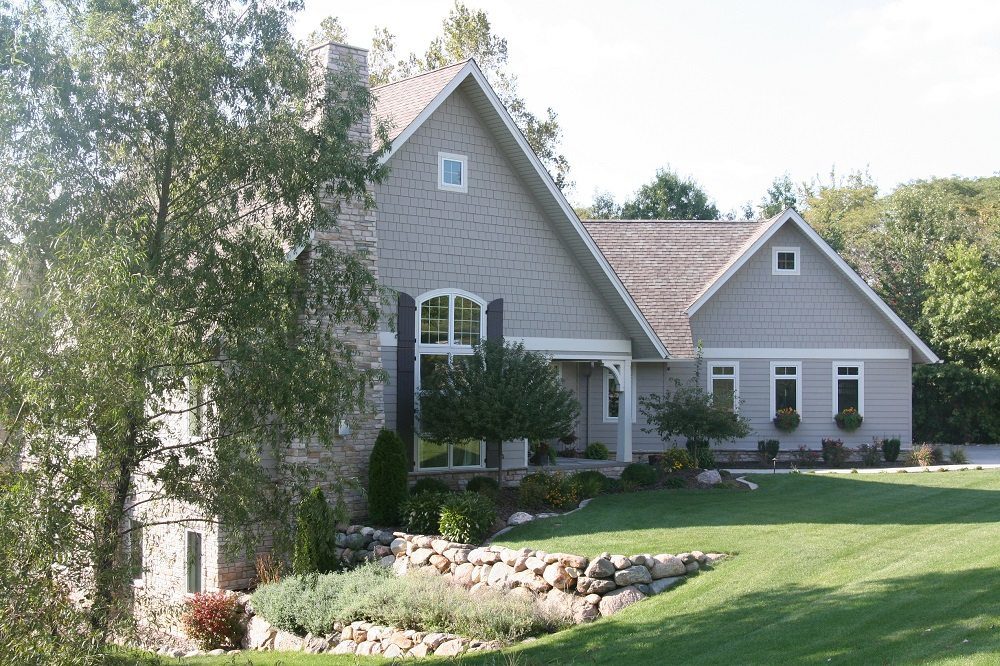
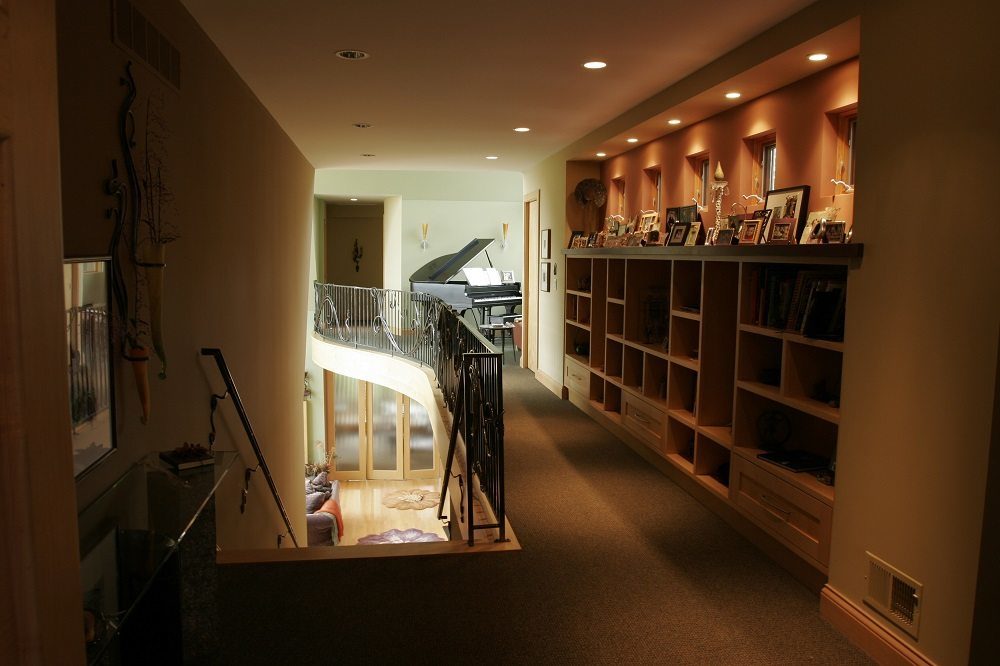
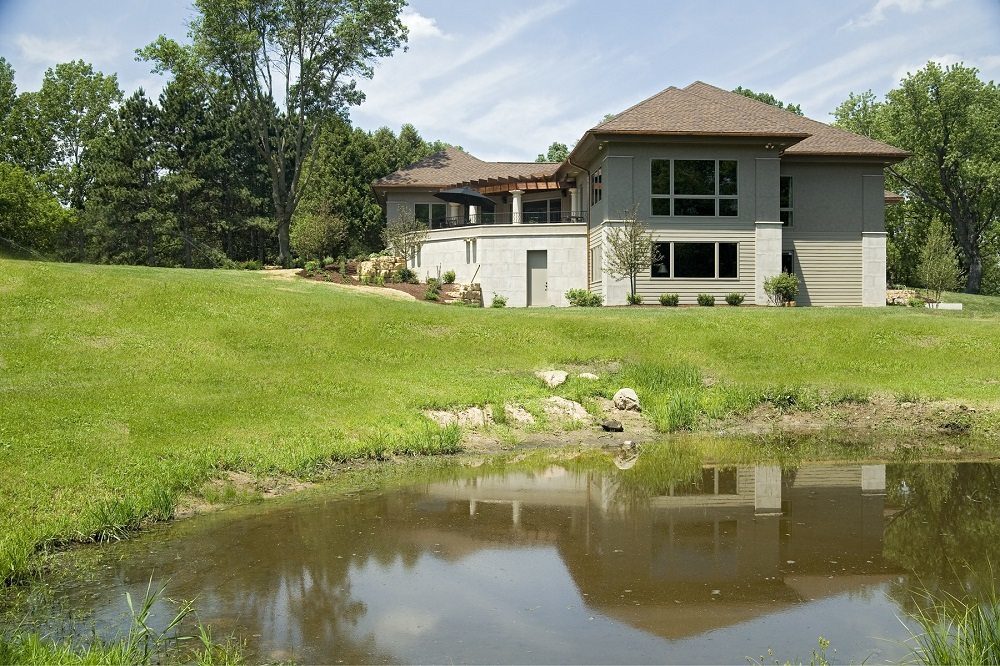
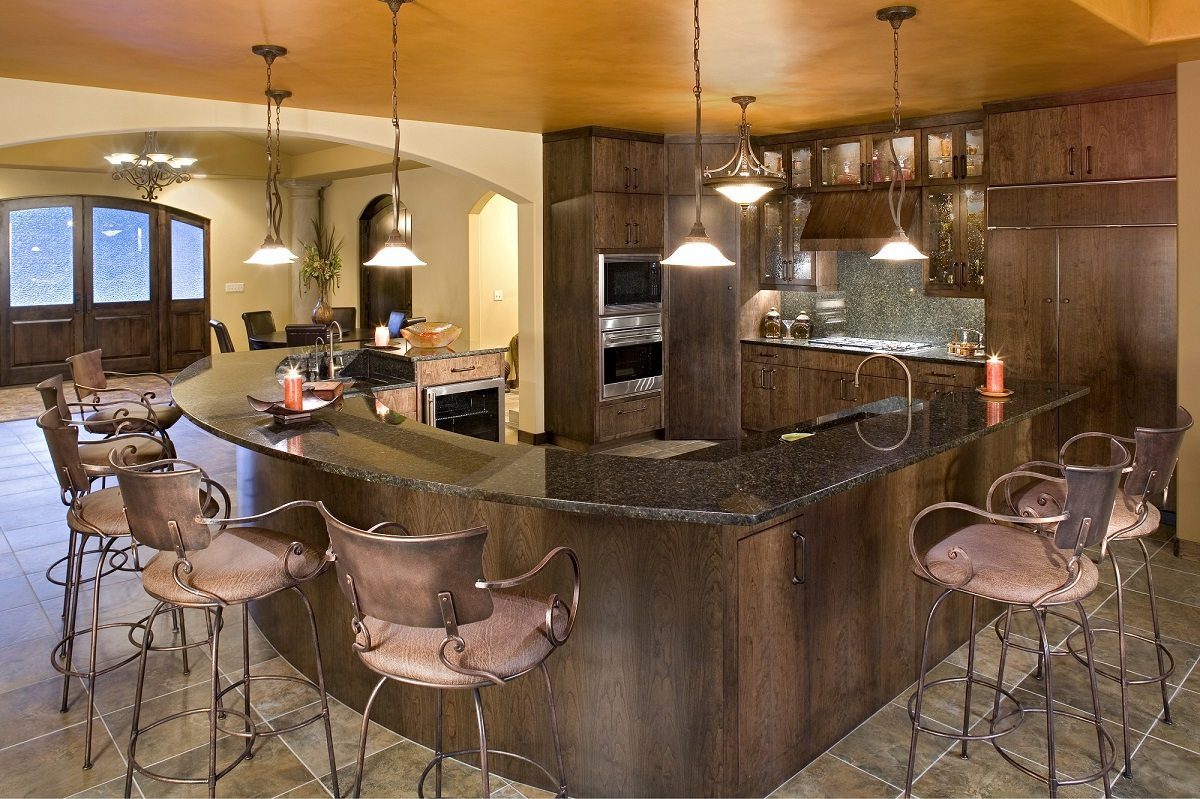
A reader recently asked if the not so big concept is just a preference or is it a real benefit to everyone who is planning to build a home. For those not familiar with this concept, it is described by author and architect Sarah Susanka in her book, The Not So Big House. “Not So Big doesn’t mean small. It means not as big as you thought you needed. But as a rule of thumb, a Not So Big House is approximately a third smaller than your original goal but about the same price as your original budget. The magic is that although the house is smaller in square footage, it actually feels much bigger.”
Given enough time and money you can build anything! But a wise man counts the cost before he embarks on any endeavor. So a better question might be, when and how do I determine the cost?
As a residential architect, people often ask what types of projects interest my clients as an indicator of the overall economy. With record number of home foreclosures and short sales, most assume any movement in the residential architecture business would be in the area of additions and renovations. However, that assumption has proven false. In a housing market that has been at its lowest in decades, interest in custom designed homes is out pacing that of additions and renovations.
Recently I reviewed the latest data on the rate of return for money spent on remodeling projects and began to wonder when we started to think of our homes as investments? Growing up in the 60’s I don’t remember my parents talking about the current market value of our house. In fact, if they did it was because property taxes were increasing. They never planned to sell, so current market value wasn’t something they contemplated.
To look at the attendance at the 2010 Midwest Home Show one would have to assume one of two things. Either it is a nasty fall day in which case folks are in search for a place to spend their day inside or consumer confidence regarding home improvements is up.
When choosing an architect it is important to look at their experience, the kind of work they do, their services and fee structure. But one thing that most people don’t consider when selecting an architect is the X-factor, the personal connection.Designing a home is a very personal experience. Not only will you spend a great deal of time with your architect, you will also share the intimate details your life: how you eat, sleep, entertain, relax, and play. Yes, your architect needs to know those things to make sure your home is designed to help you live the way you want. So add some questions like these to your architectural selection criteria. Does he relate to me? Can he communicate? Does he listen? Does he hear what I am saying? Will I enjoy working with him?
As I prepare for the Midwest Home Show (Nov. 19 – 21), I wonder who will be the first to ask me, “Why do I need an architect to design my home?” It’s almost like a challenge or a dare. People walk by my booth and see photos of well designed homes. They know there is something different about these homes than most of the homes they encounter. They can’t say what it is, but they see it just the same. So they comment on how nice the homes look and then ask the question.